
Birding Málaga High Pass Cusco 3D/2N
Trip summary
- Place where the tour begins: Cusco
- Place where the tour end: Cusco
- Tour Date: April – December
- Tour Duration: 03 days 02 nights
- Expected Birds Species: 200 to 300
- Expected Mammal Species: 02
- Altitude: 3500 mt / 11482 ft (Cusco) – 4200mt / 13779 ft. (Abra Málaga) / 1400 mt. / 4593 ft. Ipal Ecólodge
- Photographic Opportunity: Excellent
- Local Guides: Birding Guide. Miguel Garcia
- Other staff: For 3 or more guests catering staff will be provided for picnic breakfasts and lunches in prime birding locations.
Gallery
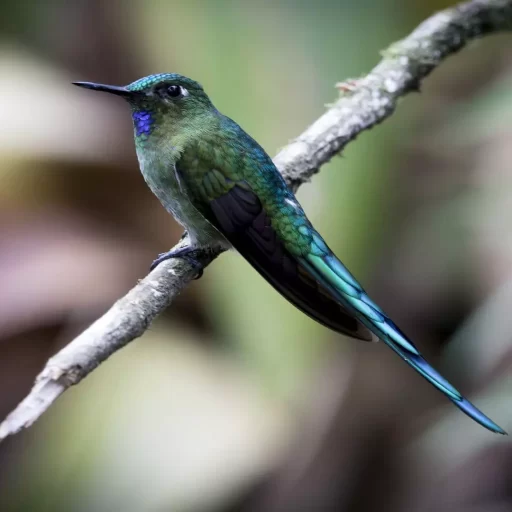
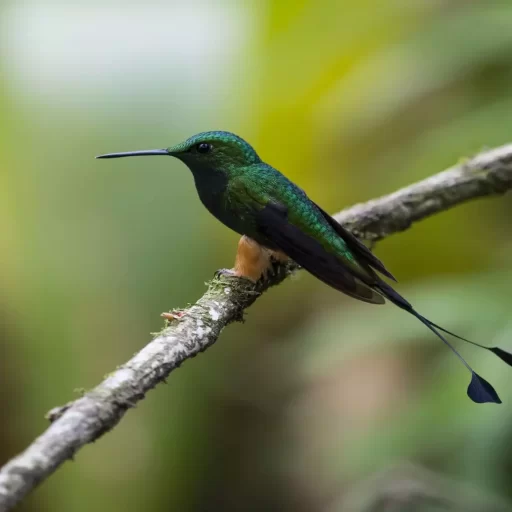
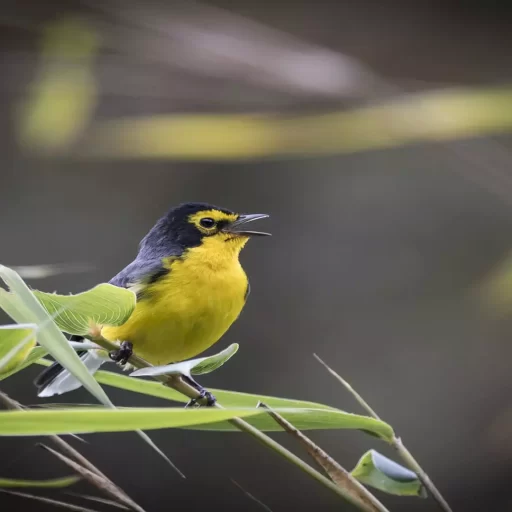
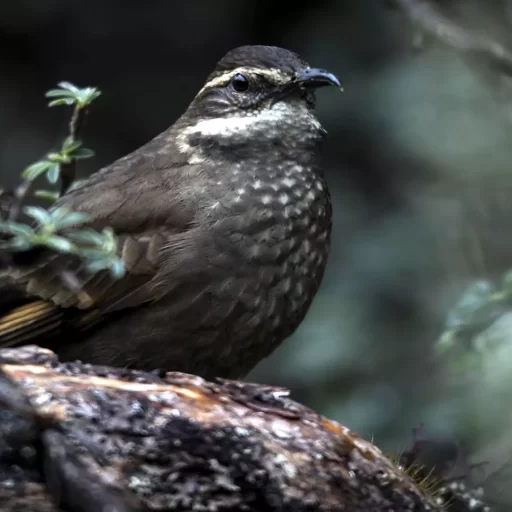
Itinerario
In the universe of birds, the Birders almost mostly want to see, the endemic birds of one country they visit, Peru is a country with an impressive number of endemic birds and we have some places that gather a high number of endemic species like is the case of Malaga high pass, one of the famous places in Peru where endemic birds are found that are really restricted to small spaces and also whit them are endangered ones whom share these small spaces. In Malaga high pass, we can find many of these birds such as: Rusty-Fronted Canastero (endemic), White-Tuffted Sumbean (endemic), Chestnut-Breasted Mountain-Finch (endemic), Creamy-Crested Spinetail (endemic), Bearded Mountaineer (endemic), in this first day we will have the chance to see the Royal Cinclodes too.
The route to see the Royal Cinclodes is tough because you must walk at high altitude above sea level (over 4000 mt / 13123 ft), but on that route the birds you seen are more restricted to the flanks of the snow-capped Veronica mountain and only It would be possible to see them at that altitude where we’ll see others spices too like: White Browed Tit-Spinetail (endemic) local in Polylepis synopsis (type of tree), over the way will be possible to observe others common spices of bird of the highland, we have the Ash-Breasted Tit-Tyrant, Tawny Tit-Spinetail, Giant Conebill, Paramo Pipit, Andean Hillstar, Blue-mantel Thornbill, Peruvian Sierra-Finch, Ash-breasted Sierra-Finch, Plumbeous Sierra-Finch, Puna Tapaculo, etc.
At the end of this trekking route, we will continue our birding along the main route to Quillambamba whit strategy stops in the way until we reach Ipal Ecolodge where will spend our night.
Ipal ecolodge is a very attractive destination for bird watching, within its circuits you can observe birds that are habitants in cloud forest, it circuits offer us the possibility to see mixed flocks formed with the purpose of searching for food successfully and reducing the possibility of being preyed on we can find: Barred Becard, Black-and-white Becard, Streaked Xenops, Flame-faced Tanager, Blue-and-black Tanager, Saffron-crowned Tanager, Sclater’s Tyrannulet, Saffron-crowned Tanager, Golden-collared Honeycreeper , Slaty-capped Tyrannulet, Chivi Vireo, Long-tailed Sylph, Speckled Hummingbird, Bronzy Inca, Rufous-booted Racket-tail, etc.
One of the birds that is quite coveted in this area is the fantastic hummingbird called Swallow-tailed Hummingbird, which in Peru has a small distribution range which makes it interesting to see it on this tour. And from the surroundings of the lodge, you can see more frequent birds such as the Blue Dacnis, Blue-tailed Emerald, For-tailed Woodnymph, Spectackled Chachalaca, Blue-necked Tanager, Palm Tanager, etc.
Today we will do some intense birding in this place looking for the ones most restricted to this area and attentive to any unusual surprises.
Today we have to return to Cusco city, we will have our breakfast early to be able to leave in direction to eastern flank of the Vilcanota mountain range where we can add new species to our list of birds seen.
This is also an area where mixed flocks of birds of different species are frequently found following one direction in search of food and without separating from the group due to survival strategy; We can possibly see the following species:
Mountain Wren, Inca Wren (endemic), Marcapata Spinetail (endemic), Unstreaked Tit-Tyrant, (endemic), Parodi’s Hemispingus (endemic) and Cuzco Brush-finch; we will also probably have a variety of birds such as: Andean tanagers, all of them are associated with mixes species flocks on the canopies of this humid montane, the most common are: Scarlet-bellied Mountain-Tanager, Blue-and-black Tanager, Rust-and-yellow Tanager, etc.
Other interesting group found mostly in low dense vegetation stream edge, bamboo thickets are the Antpittas, they are one of the most difficult birds for watching even when they are close to you for example: Red-and-white Antpitta (endemic), Urubamba Antpitta.
And one of most conspicuous is the Sword-billed Hummingbird for that impressive long beak and another species of hummingbird: Chestnut-breasted Coronet, Sapphire-vented Pufflet, Amethyst-throated Sunangel, Citrine Warbler, Black-throated Tody-Tyrant), White-rumped Hawk, Doublé-toothed Kite, White-Throated Hawk, (rare) Sharp Shinned Hawk, Variable Hawk, etc.
And in the afternoon late we arrive to Cusco
Includes
- Licensed birding Tour Guide
- All activities mentioned in the itinerary.
- All accommodation is based on sharing a twin room.
- All meals.
- Tea/coffee and snacks.
- Bottled water throughout the trip.
- Ground Transportation.
- All entrance fees.
Not Included
- Travel Insurance (essential)
- Laundry, phone calls and alcoholic drinks.
- Personal Expenses.
- Charges incurred because of circumstances beyond our control
Recommendations
- Trip Grade: Gentle Hikes. You should prepare for certain travel factors in Peru, A few of the most important are elevation.
- Insurance: We strongly advise that your travel insurance policies include medical assistance and evacuation – we believe that it is ‘better to be safe than sorry!’ Should you decline to do so, we must state that we will in no way accept responsibility for expenses incurred should you require medical attention/evacuation while on holiday with us.
- Accommodations: It is our policy to use the best available accommodation in each location. All hotels and lodges we use are government approved registered with the Tourism organism of Peru.
- Clothing: This trip departs in Cusco which is generally a dry and cool time of the year but you may encounter light rain or damp condition. Evenings may be cool and you will certainly have many early mornings starts so will need some warm layers. The key to being comfortable is to adopt a system of several layers rather than one item of bulky warm clothing. Sun hats are an essential item, with a wide brim and something to protect your neck. Temperatures can drop very quickly in the evening and early morning and at altitude and you may again need to put on a number of layers.
- Electricity: The standard voltage in Peru is 220-240 volts. Most American appliances (except hairdryers) now have built-in converters, so you only need to worry about bringing adapters. You will often find two pin sockets in bathrooms (type C). In most other rooms’ sockets are generally the round-three pin variety (type D). To be safe, take a universal travel adaptor, and if that still does not fit ask at hotel reception.
- Equipment and Accessories
- Small day pack
- Sunglasses and retainers If you wear glasses,
- Headlamp or flashlight Bring spare batteries
- Anti-bacterial hand gel is very useful for washing hands when no water is available
Book Now
Birding Málaga High Pass Cusco 3D/2N
3D/2N