
Photo Birding Tour By Hotspots of South Peru 6D/5N
Trip summary
Why Peru?
Peru is a megadiverse country located in South America, a destination that houses Machu Picchu and a section of the Amazon rainforest, with diverse geography that includes a coastal, Andean, highland, Amazonian, and Antarctic region. It has 84 of the 117 life zones in the world, and its territory is divided into three natural regions. The coast occupies 11% of the national territory, the Sierra (Andean region) occupies 30%, and the Amazon rainforest occupies the remaining 59%. Peru is an Amazonian country. Ecotourism activities in Peru and the enjoyment of nature observation have become an increasingly popular activity in the local, national, and international market, such as birdwatching in natural environments protected by the state across the country. Imagine traveling to a country that has 1879 species of birds (SACC checklist), a country where you could find more birds than in North America and Europe combined, a country that is the first home of endemic birds throughout South America, including over four hundred species that have subspecies.
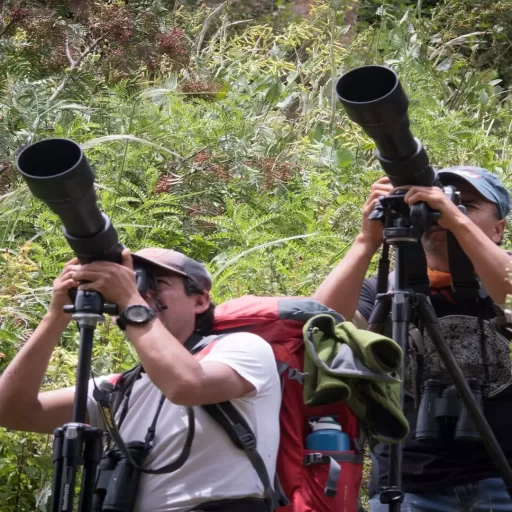
Our Peruvian tour leader is a birding expert and an accredited naturalist who will ensure that your trip through this varied and beautiful landscape is full of birding and wildlife excellence
- Trip date: from April to December
- Place where the tour begins: Cusco
- Place where the tour end: Cusco
TOUR CONSIDERATIONS:
- Tour Date: from April to December
- Tour Duration: 06 Days
- Expected Birds Species: 300 to 380 species
- Expected Mammal Species: 05 to 07
- Altitude: 3,500m / 11.4829ft to 1400m/ 4593ft
- Photographic Opportunity: Excellent
- Local Guides: Birding Guide. Miguel Garcia
- Other staff: For 3 or more guests catering staff will be provided for picnic breakfasts and lunch in prime birding locations.
Gallery
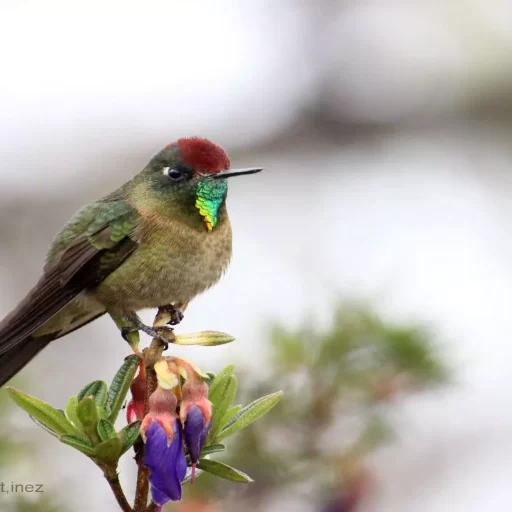
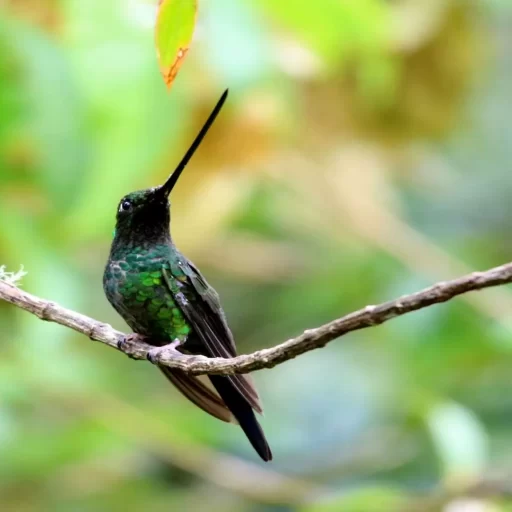
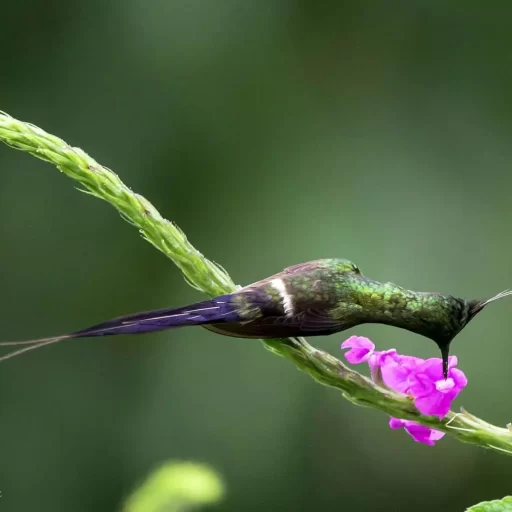
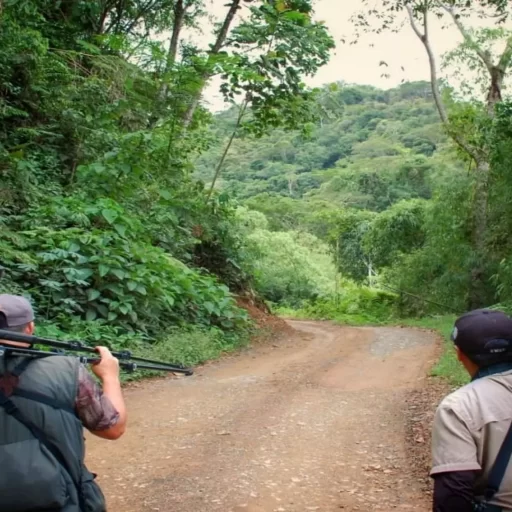
Itinerario
For many travelers, visiting the most outstanding center of one culture and a wonder of the world, is long planned in advance, and now we will go to visit that famous citadel of Machupicchu built by the ancient Inca civilization in Cusco-Peru.
Our bird watching trip will start early from our hotel, we will leave by car toward to Ensifera camp, where we have feeders and possibilities to make pictures like: Giant Hummingbird, Sparkling Violetear, White-bellied Woodstar, Bearded Mountaineer, Chestnut-breasted Mountain-Finch (this couple of last ones are endemic of Peru), occasionally also is possible to take a picture of Mountain Vetvetbreast, Sword-billed Hummingbird and obviously will came there, another resident birds that live close surroundings like: Peruvian Sierra-Finch, Hooded Siskin, Creamy-crested Spinetail, etc. .
after this experience we keep going in our private car to Ollantaytambo city, from there for one a and half hours we take train to Aguas Calientes town, where we will have our hotel.
Surely in this season the level of water of the river that goes through the town will be high and is good chance to look for the Torrent Duck dodging the torrent of mighty water, we look then and others bird that live there the rest of the day.
Cloud forests are excellent places to begin the day observing birds, and Aguas Calientes town is located at bottom of Machupicchu Mountain foothills into cloud forest.
The usual of these places are surroundings are invaded by birdsong and here our day will begin whit them; there is a private place close here that has feeders for tanagers like; Saffron- crowned Tanager, Slate-throated Redstart, Bananaquit, Rust-and-yellow Tanager, Silvery Tanager, Silver-beaked Tanager, etc.
After this photos-moment we will go up by bus to citadel of Machupicchu where we will have an enlightening explanation about this wonder of ancient architecture.
The railway path is also interesting way for mixed flocks and group of Tyrannulets and Flycatchers such as: Sclater’s Tyrannulet, Marble-faced Bristle-Tyrant, Ashy-headed Tyrannulet, Slaty-capped Flycatcher, streaked Xenops, Versicolored Barbet, Ocellated Piculet, etc. And the Heliconias are growing close to rail path are our chance to catch the collared Inca (omissa) which is resident in south of Peru.
In the afternoon we will return to Cusco city to our hotel
The day begins and the streets are still empty and we are ready to leave to famous Manu road in the Manu Nacional park, our route will be quite varied in elevation and at first hours we will make strategic stops in places where we can have chances to take photos of birds such as: Bearded Mountaineer, Chestnut-breasted Mountain-Finch, Tit-like Dacnis, Yellow-billed Tit-Tyrant, etc.
In some hours we will arrive at the entrance of the Manu National Park (the biggest and famous protected area in south of Peru which goes from highland to Amazonia) and from there we are dropping to cloud forest where this trip will be through many ecological changes that are inhabited by different species that guarantee the diversity
Along this journey we will make strategic stops to take pictures of very colorful and resident birds at the same time, such as: The Golden-headed Quetzal, Masked Trogon, Andean Motmot, Blue-banded Toucanet, etc.
This route is famous for easily showing mixed flocks on its route and for us to take pictures of birds in their natural habitat will be exciting, we will be able to photograph: Hooded Mountain-Tanager, Scarlet-bellied Tanager, Grass-green Tanager, Great Thrush, Masked Flowerpiercer, Saffron-crowned Tanager, Beryl-spangled Tanager, Versicolored Barbet, Black-streaked Puffbird, etc.
At sunset we will arrive to Cock of the rock lodge located in middle of cloud forest in a place called san Pedro.
Where the winds blow the fog from lowlands towards flanks of the mountains, there cloud forests are formed; ecosystems that are ecological niches for wildlife; and the Manu road is a pristine cloud forest where the bird watcher and bird photographer will feel in the paradise.
The surroundings of the lodge are undoubtedly a good place to start our photo-birding day, we will have the opportunity to see: Masked Trogon, Andean Motmot, Blue-banded Toucanet, Montane Foliage-gleaner, Yungas Manakin, Saffron-crowned Tanager, Deep-blue Flowerpiercer, Golden Tanager, Golden-eared Tanager, Versicolored Barbet, Blue-napped Chlorophonia, Wire-crested, Thorntail, Violet-fronted Brilliant, Orange-bellied Euphonia, etc. All of then close to feeders of the lodge.
In our tour in this place, we will find mixed flocks that look for their food made up of many species that are distributed at different levels of the trees to be more successful in their job of looking for food.
And we would see: Saffron-crowned Tanager, Beryl-spangled Tanager, Ash-browed Spinetail, Montane Foliage-gleaner, Buff-throated Saltator, Black-eared Hemispingus, Three-stripe Warbler, Russet-crowned Warbler, Orange-eared Tanager, Streaked Xenops etc.
Throughout the day we will move to different places in our car with the purpose to find birds that inhabit this forest.
The bird that we recognize as our national bird is the Andean-Cock-of-the-rock and we can see it near to our lodge, its particular behavior of visiting a specific point in the jungle to dance in a male competition to get a female, make them predictable; and we will visit this place called Lek to photograph them in courtship; And this movement will also bring other birds and our chances to see birds such as: Crested Quetzal, Golden-napped Tanager, Golden-collared Honeycreeper, Semicollared Hawk, Green Jay, Fulvous-Breasted Flatbill, Olive-backed Woodcreeper, etc.
And at dusk we will go to see the moment when the Lyre-tailed Nightjar becomes active which is an impressive show.
Back to our lodge we will have the possibility to see some owls like: Rufescent Screech-Owl, Band-bellied Owl.
This morning will be still good opportunity to improve some photos that we did in the feeders of the lodge, our return way is not very long, and we will have our day to make stops at strategic points and take photos of the birds that usually perch on the edge of the road and look for some tanagers that make mixed flocks, so we can find: Slaty Tanager, Blue-winged Mountain-Tanager, Bluish Flowerpiercer, Yellow-throated Tanager, Golden-collared Tanager, Russet-crowned Warbler, Orange-eared Tanager, Black-and-chestnut Eagle, Crested Quetzal, Golden-headed Quetzal, Superciliared Hemispingus, Inca Flycatcher, Black-streaked puffbird, Blue-banded Toucanet, etc.
Once we are in the lodge, some hummingbirds are frequent visitors such as: Chestnut-breasted Coronet, Amethyst-throated Sunangel, Long-tailed sylph, Collared Inca (not frequent).
Also, the surroundings are very good ecosystems for birds that find their food in these places and our chances of being able to photograph them are good such as: Masked Flowerpiercer, Hooded Mountain-Tanager, Scarlet-bellied Mountain-Tanager, White-collared Jay, Gray-Breasted Mountain-Toucan, etc.
After our dinner we can have optional leaving to looking for owls around our lodge.
Today in the afternoon we must take a plane and for that we will have to be a few hours earlier at airport, our trip will begin after breakfast because we still have to travel about five hours to reach the airport where our services will end.
Includes
- Licensed Tour guide who is a specialized Birder
- All activities mentioned in the itinerary.
- All accommodation is based on sharing a twin room.
- All meals.
- Bottled water throughout the trip.
- Ground Transportation.
- All entrance fees to parks.
Not Included
- Travel Insurance (essential)
- Laundry, phone calls and alcoholic drinks.
- Personal Expenses.
- Charges incurred because of circumstances beyond the control
- Gratuity /Tips.
Recommendations
Trip Grade: Gentle Hikes
You should prepare for certain travel factors in Peru, A few of the most important are elevation.
elevation of Cusco, Peru is approximately 3,399 meters or 11,152 feet above sea level, we need to be prepared to change our clothes during the trip, because we will change elevations and climes.
Insurance
We strongly advise that your travel insurance policies include medical assistance and evacuation we believe that it is ‘better to be safe than sorry!’ Should you decline to do so, we must state that we will in no way accept responsibility for expenses incurred should you require medical attention/evacuation while on holiday with us.
Accommodations
It is our policy to use the best available accommodation in each location. All hotels and lodges we use are government approved registered with the Tourism organism of Peru.
Temperature April
Average Temperature in Fahrenheit and Celsius
| Cusco | 10°c | 50°F |
| Cloud Forest Cusco | 22 °C | 71°F |
| Machupicchu | 12° C- 24°C | 53°F- 75.2° F |
Clothing
This trip departs in April which is generally a dry and cool time of the year but you may encounter light rain or damp condition. Evenings may be cool and you will certainly have many early mornings starts so will need some warm layers. The key to being comfortable is to adopt a system of several layers rather than one item of bulky warm clothing. Sun hats are an essential item, with a wide brim and something to protect your neck. Temperatures can drop very quickly in the evening and early morning and at altitude and you may again need to put on a number of layers.
Clothing Checklist
- Walking boots for hiking
- Comfortable shoes for camp
- Waterproof jacket best made with breathable, waterproof
- Fabric Waterproof over-trousers best made with breathable waterproof fabric.
- Lightweight down jacket for colder evenings / mornings or in case of cold snap trekking trousers.
- T-shirt / underskirts.
- Long sleeved shirts to prevent sunburn on your arms and keep airborne biting insect at day, thermal underwear.
- You may like to chance into this in the evening or have it to sleep in micro-fleece: warm, jacket, thick, sock, etc.
- Sun hat whit adequate protection for your neck smart/casual clothes for air travel
Equipment and Accessories
- Small day pack
- Sunglasses and retainers, if you wear glasses.
- Bring a spare pair Headlamp or
- Bring spare batteries
- Anti-bacterial hand gel, very useful for washing hands when no water is available
Electricity
The standard voltage in Peru is 220-240 volts. Most American appliances (except hairdryers) now have built-in convert- ers, so you only need to worry about bringing adapters. You will often find two pin sockets in bathrooms (type C). In most other rooms’ sockets are generally the round-three pin variety (type D). To be safe, take a universal travel adaptor.
Book Now
Photo Birding Tour By Hotspots of South Peru 6D/5N
6D/5N