
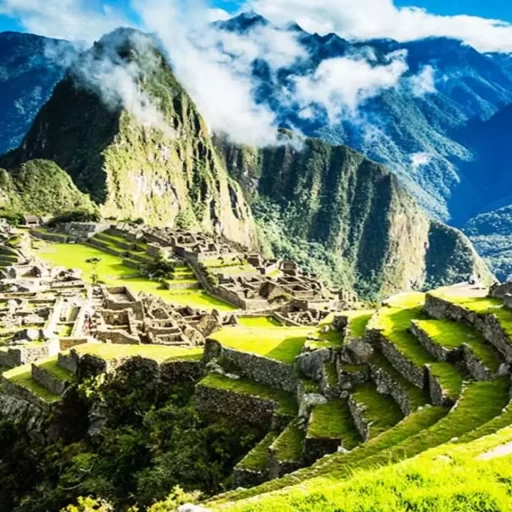
Target Birding Places Peru Machupicchu – Abra Málaga – Soraypampa
Trip summary
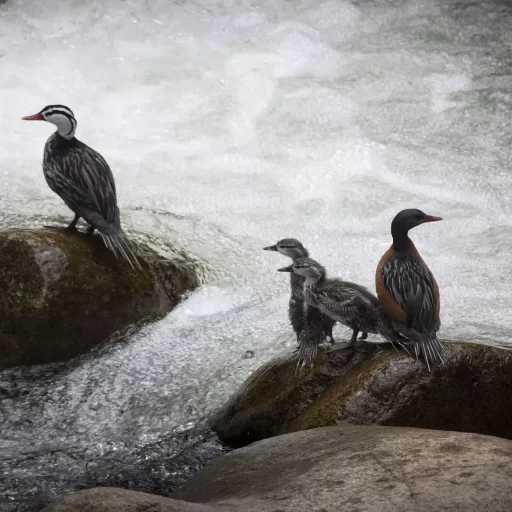
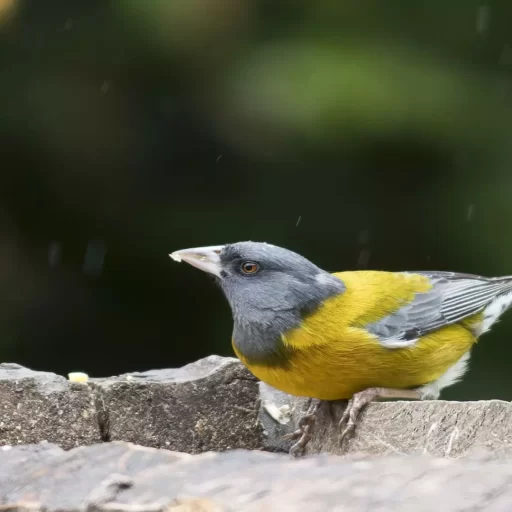
This tour was designed with the purpose to showing you the diversity of endemic birds that we can find in a short tour around Cusco-Peru. The diverse ecosystems and altitudinal levels are inhabited by birds that are exquisite only for living in habitats segmented by altitude above sea level and humidity conditions of the ecosystems.
On the second day, which is the exploration of the Polilepys forest, we need to be in good physical condition to take a walk at the base of the Veronica Mountain, in easy-to-reach geographical relief by good trail, but declivity for about three hours.
- Trip date: from April to December
- Place where the tour begins: Cusco
- Place where the tour end: Cusco
TOUR CONSIDERATIONS
- Tour Date: from April to December
- Tour Duration: 03 Days
- Expected Birds Species: 100 to 250 species
- Expected Mammal Species: 05 to 07
- Altitude: 3,500m / 11.4829ft Cusco – 4200 mt / 13779 ft. Malaga high pass – 2803 mt / 9196 ft Soraypampa
- Photographic Opportunity: Excellent
- Local Guides: Birding Guide. Miguel Garcia
- Other staff: For 3 or more guests catering staff will be provided for picnic breakfasts and lunch in prime birding locations.
Gallery
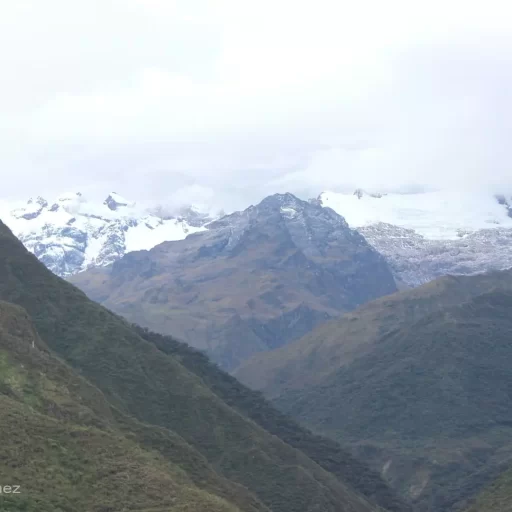
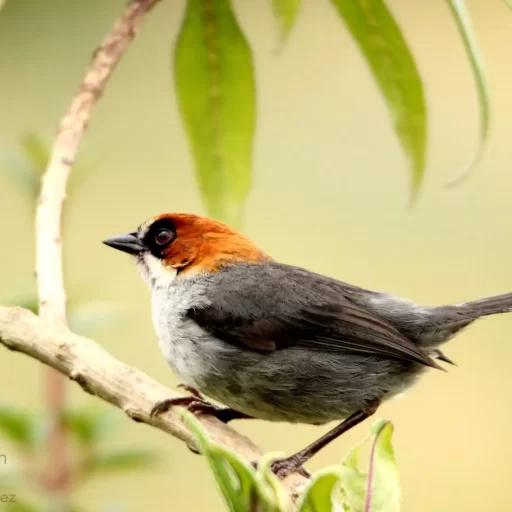
Itinerario
The Manu National Park is a famous place for bird watchers because it has a record more than a thousand species of birds along its entire rout. This park is located in the south-eastern part of Peru and our tour begins early in the morning with pick-up from your hotel to head towards Acjanaco, where the Manu National Park entrance begins, will star here our birding and also from there we will descend to through different ecosystems of the cloud forest and on our way we will make strategic stops where we can have chance to see some species of birds such as: Scarlet-bellied Mountain-Tanager, Grass-green Tanager, Golden-collared tanager, Masked Flowerpiercer, Cinnereous conebill, Hooded Mountain Tanager, there are also tyrants such as: Rufous-breasted Chat-Tyrant, White-banded Tyrannulet, White-throated tyrannulet, etc.
This cloud forest also frequently shows mixed flocks of birds that gather during the morning to begin searching for food in the different levels of the trees without to have competitions. These flocks of birds are made up of birds such as: Citrine Warbler, Superciliared Hemispingus, Black-capped Conebill Barred Becard, Band-Tailed Fruiteater, Barred Friuteater, Pearled treerunner, etc.
We will enjoy intense birding in this area and for our food we will stop somewhere where we can set up our table and enjoy our breakfast (picnic) and our lunch will also be picnic luch, after an exciting and intense birding, in the afternoon we will return to Cusco and we will arrive at approximately 7:30 or 8:00 pm where our services will end when we drop you off at your hotel.
We start early from Ollantaytambo and head for the Polylepis forest at Abra Malaga with its special inhabitants like the endangered Royal Cinclodes, White-wing Cinclodes, Ash-breasted Tit-Tyrant and the White-browed Tit-Spinetail (endemic). We will also look for the Stripe-headed Antpitta that lives at a higher elevation than all other antpittas, while these are sometimes elusive, there are many other birds to see as well, including Tawny Tit-Spinetail, Puna Tapaculo, Blue-mantled Thornbill and Giant Conebill.
If time allows, we drive over the pass, and witness a complete change of habitat when entering the high cloud forest. Here we hope to encounter some good mixed flocks, compounds for: Parodi’s Hemispingus, Unstreaked Tit-Tyrant, White-browed Conebill, Tawny-rumped Tyrannulet, Tit-like Dacnis and many others. Undulated Antpittas are frequently heard calling, but are very hard to see, as are Diademed Tapaculos.
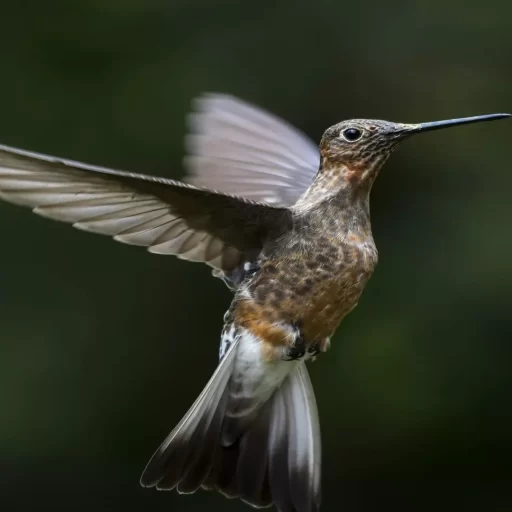
Hummingbirds to look for Saphire-vented Puffleg, Scaled Metaltail (uncommon and rectricted to the south of Perú), Rufous-capped Thornbill, Purple-backed Thornbill and Sword-billed Hummingbird. In the later afternoon, we return to our hotel in Ollantaytambo. On the way, we visit a place called “Peña Ruins”. This is the stakeout for the endemic White-tufted Sunbeam. Also, Creamy-crested Spinetail, Rusty-fronted Canastero, Black-backed Grosbeak and, with luck, Chestnut-breasted Mountain-Finch are possible here. Late afternoon returns to Ollantaytambo to hotel.
This is our last day early in the morning, we will travel to Mollepata; This valley has species that inhabit both dry forests and humid high-Andean valleys and is inhabited by two outstanding species that are named after a region where they were initially studied. Apurimac Spinetail, Apurimac Brush-finch.
We will have great chances to observe the following endemic species: Creamy Crested Spinetail, Vilcabamba Tapaculo, White-tufted Sunbeam, Creamy-breasted Canastero (pale tailed). Among the other bird species of today are: Tufted Tit-tyrant, Purple-backed Thornbill, Tawny-rumped Tyrannulet, White-banded Tyrannulet, Crimson-mantled Woodpecker, Bar-bellied Woodpecker, D’orbigny´s Chat-tyrant, Red-crested Cotinga, Creamy-winged Cinclode, Tit-like Dacnis, Andean Condor, Mountain Caracara, Variable Hawk and many others.
We will be back in Cusco in the late afternoon, to have a hotel.
Includes
- Licensed Tour guide who is a specialized Birder
- All activities mentioned in the itinerary.
- All accommodation is based on sharing a twin room.
- All meals.
- Bottled water throughout the trip.
- Ground Transportation.
- All entrance fees to parks.
Not Included
- Travel Insurance (essential)
- Laundry, phone calls and alcoholic drinks.
- Personal Expenses.
- Charges incurred because of circumstances beyond the control
- Gratuity /Tips.
Recommendations
Trip Grade: Gentle Hikes
You should prepare for certain travel factors in Peru, A few of the most important are elevation.
elevation of Cusco – Peru is approximately 3,399 meters or 11,152 feet above sea level, we need to be prepared to change our clothes during the trip, because we will change elevations and climes.
Insurance
We strongly advise that your travel insurance policies include medical assistance and evacuation we believe that it is ‘better to be safe than sorry!’ Should you decline to do so, we must state that we will in no way accept responsibility for expenses incurred should you require medical attention/evacuation while on holiday with us.
Accommodations
It is our policy to use the best available accommodation in each location. All hotels and lodges we use are government approved registered with the Tourism organism of Peru.
Temperature April
Average Temperature in Fahrenheit and Celsius
| Cusco | 10°C | 50°F |
| Cloud Forest Cusco | 22 °C | 71°F |
| Soraypampa Road | 21°C-26°C | 69°F-78°F |
| Malaga Hight pass | 0°C-15°C | 32°F-59°F |
Clothing
This trip departs in April which is generally a dry and cool time of the year but you may encounter light rain or damp condition. Evenings may be cool and you will certainly have many early mornings starts so will need some warm layers. The key to being comfortable is to adopt a system of several layers rather than one item of bulky warm clothing. Sun hats are an essential item, with a wide brim and something to protect your neck. Temperatures can drop very quickly in the evening and early morning and at altitude and you may again need to put on a number of layers.
Clothing Checklist
- Walking boots for hiking
- Comfortable shoes for camp
- Waterproof jacket best made with breathable, waterproof
- Fabric Waterproof over-trousers best made with breathable waterproof fabric.
- Lightweight down jacket for colder evenings / mornings or in case of cold snap trekking trousers.
- T-shirt / underskirts.
- Long sleeved shirts to prevent sunburn on your arms and keep airborne biting insect at day, thermal underwear.
- You may like to chance into this in the evening or have it to sleep in micro-fleece: warm, jacket, thick, sock, etc.
- Sun hat whit adequate protection for your neck smart/casual clothes for air travel
Equipment and Accesories
- Small day pack
- Sunglasses and retainers, if you wear glasses.
- Bring a spare pair headlamp or
- Bring spare batteries
- Anti-bacterial hand gel, very useful for washing hands when no water is available
Electricity
The standard voltage in Peru is 220-240 volts. Most American appliances (except hairdryers) now have built-in convert- ers, so you only need to worry about bringing adapters. You will often find two pin sockets in bathrooms (type C). In most other rooms’ sockets are generally the round-three pin variety (type D). To be safe, take a universal travel adaptor.
Book Now
Target Birding Places Peru Machupicchu – Abra Málaga – Soraypampa
3D/2N